Attila József is remembered as one of the greatest Hungarian poets of the 20th century in Hungary, but his name may not be so familiar in other countries of the world, even though many of his poems have been published in numerous languages. As his friend, the Hungarian-born British writer and journalist Arthur Koestler [Artúr Kösztler] put it not long after the poet's death, the reason for this is rooted in the isolation of the Hungarian language, which is hard to translate into any other. “Being Hungarian is a collective neurosis. The rest of Europe knows only what has been exported as cultural trash from the country… The country’s geniuses such as Csokonai, Ady or Attila József were born deaf and dumb to the outside world. It is therefore only with hesitation and difficulty that I dare to say—both because it seems presumptuous and because the reader cannot check it—that this Attila József, whom the world has never heard of and will never hear much of, who threw himself under the train at 47 degrees north latitude, this Attila József was Europe’s greatest lyricist.” In Hungary, however, he is undoubtedly a highly esteemed poet; we celebrate the Day of Hungarian Poetry on his birthday, and many public spaces and institutions bear his name. We Hungarians, who understand this “deaf-mute speech”, seem to be reading less of his poems these days. It is as if we are no longer inclined to immerse ourselves in the unrelenting honesty and loving-understanding criticism that characterized his poetry and indeed his whole life.
During his short life, he created a vast poetic oeuvre of some 600 poems that is both rooted in the Hungarian tradition and linked to the aspirations of 20th century world literature to break down the formal, conceptual and even ideological barriers of poetry. The work of this starving, little-loved, brilliant but over-sensitive poet was defined by synthesis, by a strong desire to create a new social order based on reason, tolerance and love. The main structuring principle of Attila József’s art was his desire for a “warm” human community living in harmony. This essentially classicist principle stands in stark contrast to the social circumstances and the individual situation of the young man. The poet, who came from a poor family, spoke out against every form of social injustice, both in his poetry and in his theoretical works. He ceaselessly sought “order” in a seemingly chaotic world, and believed that this order could be achieved by speaking the truth. Within the framework of the exhibition, we could not undertake to we present his complete oeuvre, nor the thousands of books, essays and articles written about him, nor did we dive into the details of his biography. We have rather tried to show, taking his poem “A Breath of Air!” as our starting point, what the era was like in which he wrote his poems, with which he argued and for which he worked.
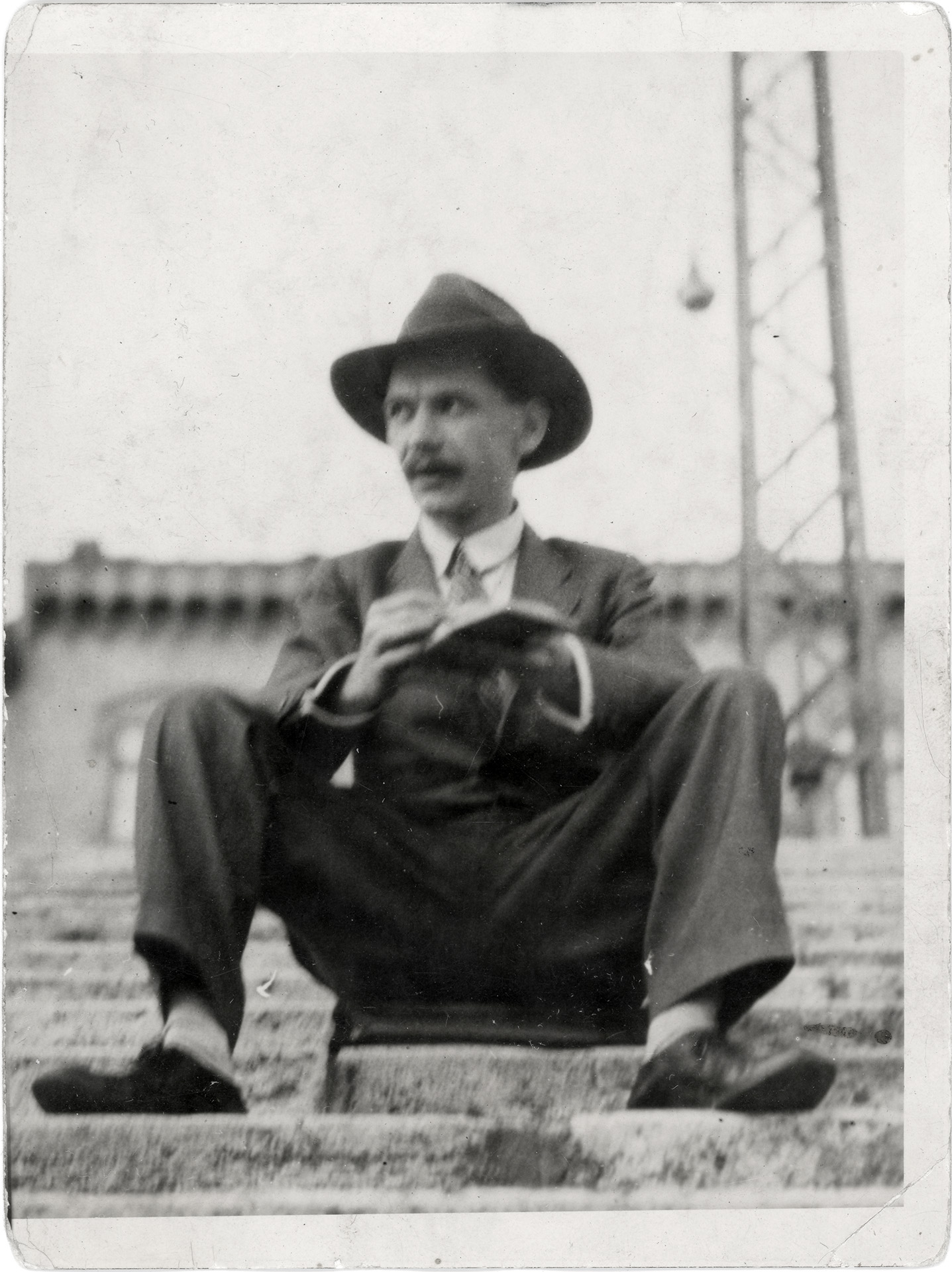
Attila József on the banks of the Danube, 1935
bw. photo, exhibition print
Petőfi Literary Museum – Photo Collection, Budapest
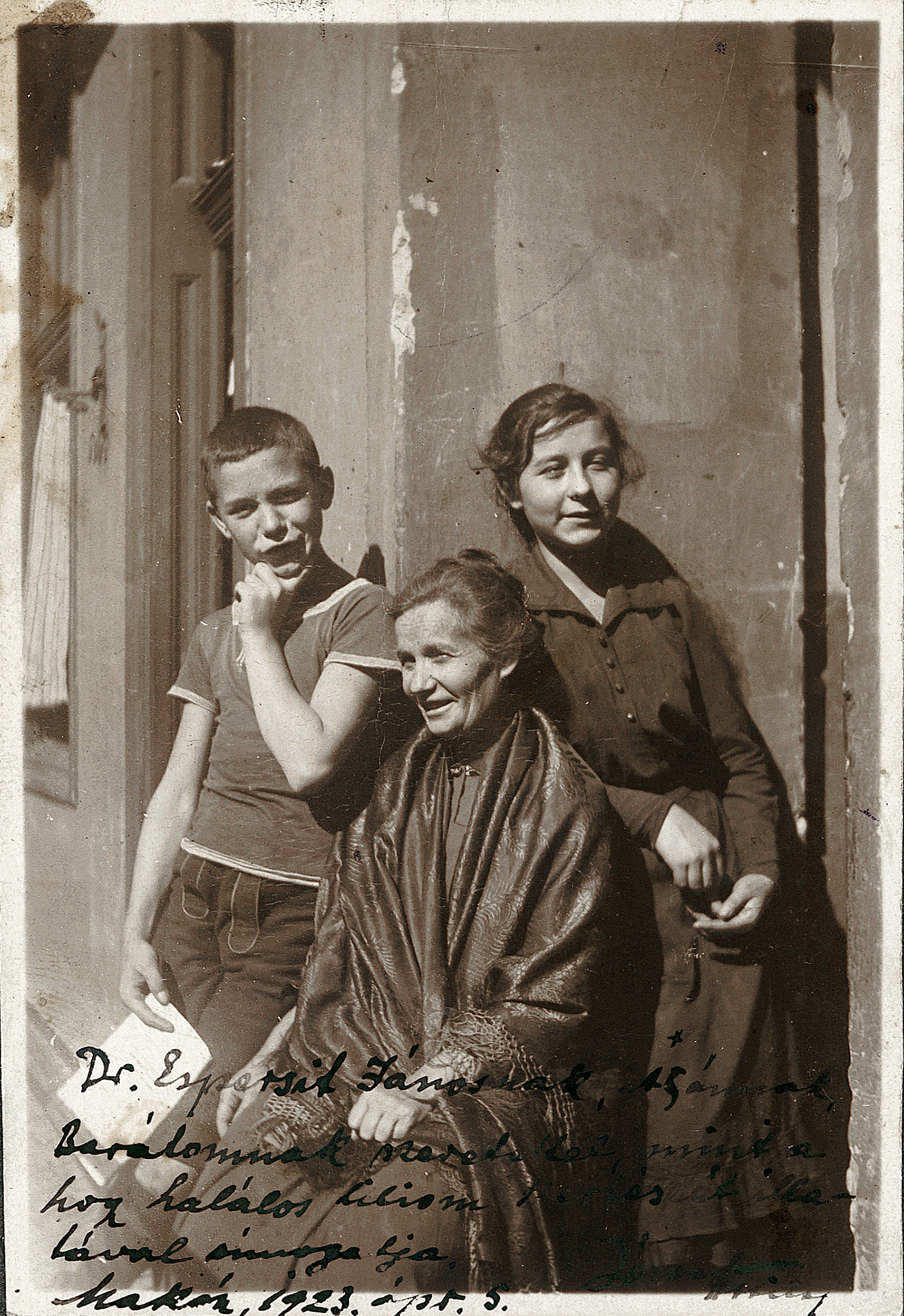
József Attila with his mother, József Ároné Pőcze Borbála and his sister, József Etelka, Buapest, 1919
bw. photo, exhibition print
Petőfi Literary Museum – Photo Collection, Budapest
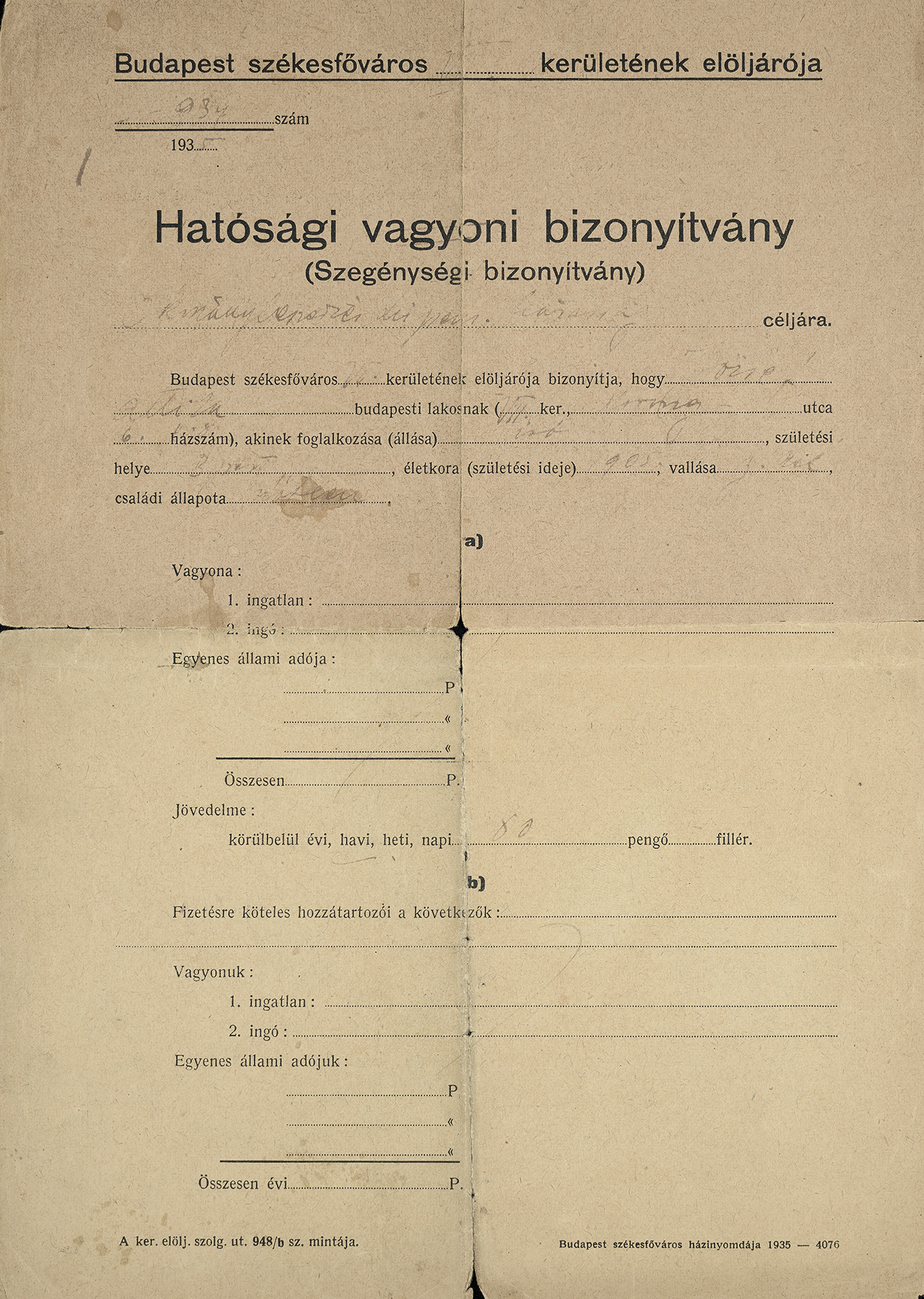
The official certificate of poverty, Issued to Attila József, August 1935
typescript, signed, exhibition print
Petőfi Literary Museum – Manuscript Collection, Budapest
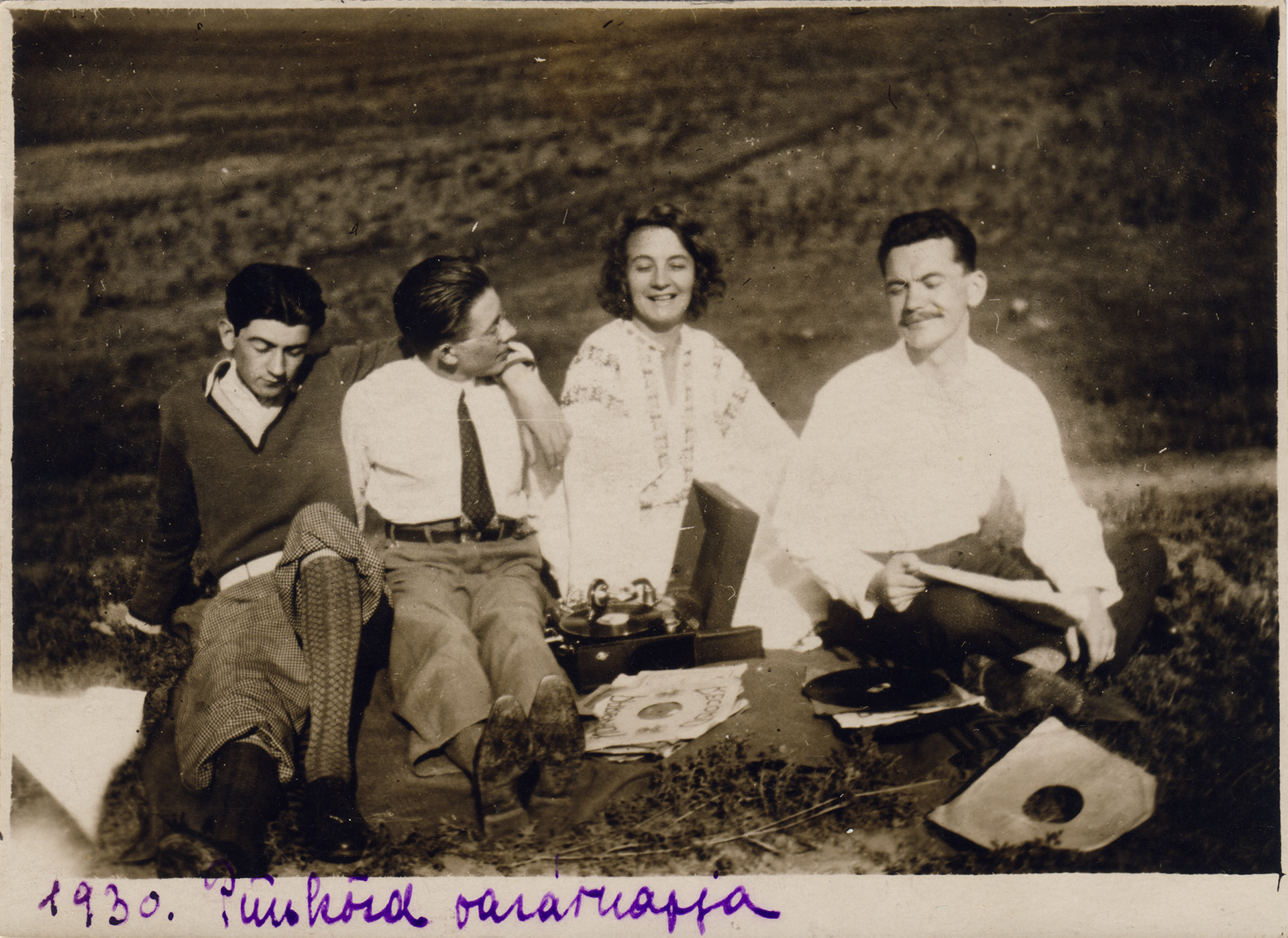
Attila József on a trip with Jolán József and friends, Hódmezővásárhely, Summer 1930
bw. photo, exhibition print
Petőfi Literary Museum – Photo Collection, Budapest
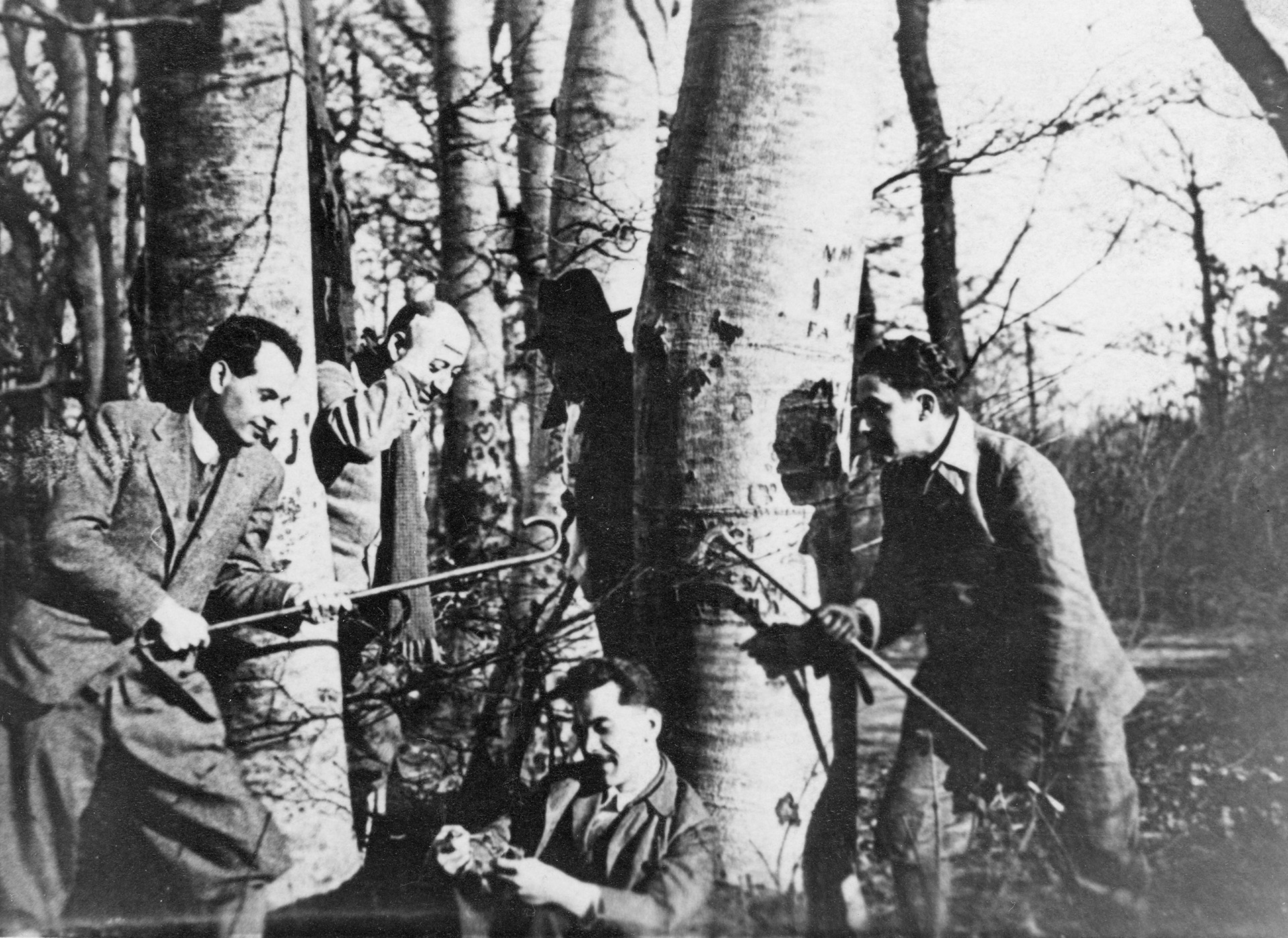
Attila József on a trip to Csillebérc, Spring 1931
(László Gereblyés, Béla Székely, Gyula Illyés, Attila József and Imre Szántó attack Attila József with knives)
bw. photo, exhibition print
Petőfi Literary Museum – Photo Collection, Budapest